
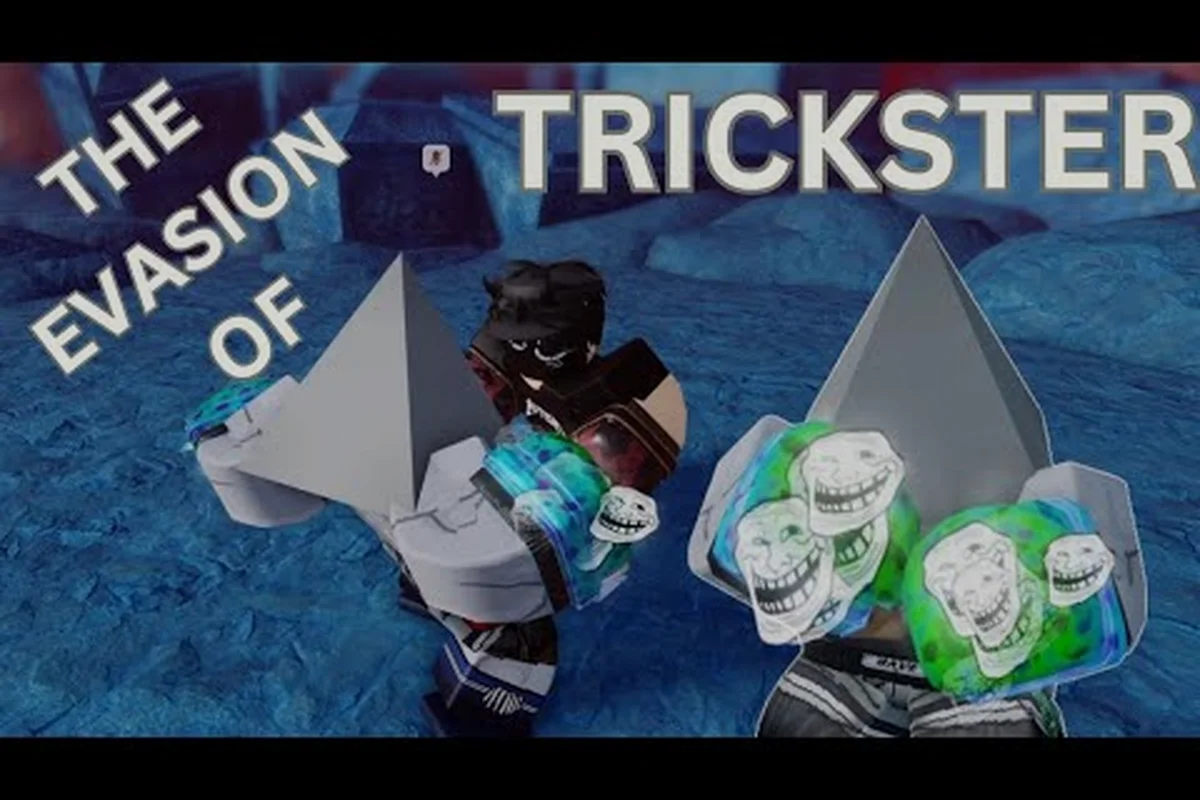
The Trickster style UBG is one of the most misunderstood Rare fighting styles in the game because it trades raw damage for movement deception, which means players who try to use it like a standard slugger will lose almost every exchange. Understanding how feints and unpredictable footwork actually work in the ring arena lobby matters because this style punishes predictable opponents far harder than any power-focused alternative. This guide breaks down the exact mechanics, matchup data, and training routines that separate effective Trickster users from players who simply flail around the canvas.
Understanding the Trickster Style UBG Core Mechanics
The Trickster style UBG operates on a fundamentally different axis than most other fighting styles because its value comes from creating false information rather than maximizing single-hit damage. While a shotgun style UBG user wants to close distance and detonate a burst, the Trickster player wants to make the opponent commit to a block or dodge that never needed to happen. According to community data from the Untitled Boxing Game wiki, Trickster is classified as a Rare style, which places it above common options but below the legendary tiers that dominate raw stat comparisons.
The core loop involves three interlocking systems: feint windows, directional ambiguity, and counter-punish frames. Feint windows are the brief moments after a movement input where you can cancel into a different action, and mastering these windows is what separates a functional Trickster from a liability. Directional ambiguity refers to how your character's stance and shoulder positioning can suggest a left slip while you actually commit to a right pivot, which forces the opponent to guess rather than react. Counter-punish frames are the bonus frames you receive when landing a hit immediately after a successful feint, and these frames are the only reason the style's lower base damage becomes competitive.
| Mechanic | Trickster Style UBG | Shotgun Style UBG | Surgeon Style UBG |
|---|---|---|---|
| Primary Strength | Feint pressure and movement | Burst damage at close range | Precision counter timing |
| Base Damage Output | Low to moderate | High | Moderate |
| Defensive Utility | Very high | Low | Moderate |
| Skill Floor | High | Low | Very high |
| Counter Window Bonus | +4 frames after feint | None | +6 frames on perfect read |
The table above illustrates why direct damage comparisons miss the point entirely. A shotgun style UBG player who lands a clean burst will out-damage a Trickster every single time, but the Trickster should never be in a position where that clean burst can land. The entire style is built around making the opponent's best tools whiff, then punishing the recovery frames that follow.
Feint Cancellation Windows and Input Timing
Feint cancellation is the single most important skill to develop when learning the Trickster style UBG, and the timing is stricter than most players expect. You have approximately 12 frames after initiating a forward dash to cancel into a backward pivot, which means the input must be buffered almost simultaneously rather than sequenced deliberately. Players who try to feint by waiting for visual confirmation of the dash will always be too late, because the cancel window closes before the dash animation even reaches its midpoint.
The practical implication is that Trickster movement must be practiced as a single compound input rather than a series of discrete decisions. When you want to fake a forward rush and pivot left, you should input the dash, the cancel, and the pivot as one fluid motion, letting muscle memory handle the timing rather than conscious reaction. Community testing suggests that players who practice feint chains for at least 20 minutes per session develop the necessary input fluency within two to three weeks, while players who only practice during live matches take significantly longer because the pressure of a real opponent interferes with the learning process.
Trickster Style UBG Matchup Analysis Across Fighting Styles
Matchup knowledge is where the Trickster style UBG either shines or collapses, because the style's effectiveness varies wildly depending on what the opponent brings to the ring. Against aggressive styles like bullet style UBG, the Trickster has a natural advantage because the opponent's forward momentum makes feints more effective. A bullet style player commits to their forward pressure, which means a well-timed feint forces them to either overextend or abandon their game plan entirely.
Against defensive styles like hands low style UBG, the matchup becomes much more difficult because the opponent is already comfortable waiting and reacting. Hands low users keep their guard down to bait attacks and rely on head movement to avoid damage, which means your feints are less likely to provoke a committed response. The surgeon style UBG matchup is similarly challenging because surgeon players are trained to read subtle tells and punish mistakes, which means your feints need to be cleaner and your counter-punishes need to be more precise.
| Opponent Style | Trickster Advantage | Key Adjustment |
|---|---|---|
| Bullet Style UBG | Strong | Feint forward to bait their rush, pivot to counter |
| Shotgun Style UBG | Moderate | Stay outside burst range, feint to force whiffs |
| Surgeon Style UBG | Weak | Minimize feints, focus on raw footwork |
| Hands Low Style UBG | Weak | Use body feints instead of head feints |
| Switch Hit Style UBG | Even | Mirror their stance switches, feint on transitions |
The switch hit style UBG matchup deserves special attention because it is the only common matchup where the Trickster has no clear advantage or disadvantage. Switch hit users constantly change their stance, which creates a similar kind of directional ambiguity that Trickster players rely on. When both players are generating false information, the match becomes a test of who can read the other's patterns more quickly, and this is where experience and matchup-specific practice become the deciding factors.
According to the Untitled Boxing Games Wiki, the trickster style in UBG emphasizes evasive movement and counterattack windows over raw blocking or trading power.
Counter-Punish Sequencing and Damage Optimization
Counter-punish sequencing is where experienced Trickster style UBG players generate most of their damage, and the sequence matters more than the individual hits. After a successful feint, you have a +4 frame advantage on your next attack, which means you can safely commit to a heavier strike that would normally be too slow to land. The optimal sequence is feint, counter-punish with a medium strike, then immediately return to neutral spacing rather than chasing additional damage.
Chasing extra hits after a successful counter-punish is the most common mistake that new Trickster players make, because the +4 frame advantage disappears after the first landed hit. Once your opponent recovers from the counter-punish, they are back to neutral frames, which means any follow-up attack you throw is a fair exchange rather than a guaranteed punish. The shotgun style UBG player who eats a counter-punish and then lands a burst on your overextension has effectively traded favorably, even though you landed the first hit.
Training Routines for Trickster Style UBG Mastery
Structured training is essential for the Trickster style UBG because the style's skill floor is high enough that unstructured practice leads to bad habits rather than improvement. The most effective training approach divides practice time into three distinct blocks: input fluency, feint recognition, and live pressure testing. Input fluency work focuses on the mechanical execution of feint chains without an opponent, while feint recognition trains your ability to read when an opponent is actually committing versus when they are also feinting.
A recommended weekly training schedule based on community reports looks like this:
| Training Block | Time per Session | Focus Area |
|---|---|---|
| Input Fluency | 15 minutes | Feint chain execution, cancel timing |
| Feint Recognition | 10 minutes | Reading opponent commitment patterns |
| Live Pressure Testing | 20 minutes | Applying feints under real match conditions |
| Matchup Review | 10 minutes | Analyzing losses against specific styles |
The input fluency block should be done in the ring arena lobby against a stationary target or no target at all, because the goal is to build the muscle memory for compound inputs without the distraction of an active opponent. Start with simple two-step feints like dash-cancel-pivot, then progress to three-step chains that incorporate a second feint before the actual attack. The surgeon style UBG players who succeed with their precision counters typically spend similar amounts of time on their own input drills, which suggests that structured practice is a common thread across all high-skill styles.
Common Mistakes That Kill Trickster Players
The most damaging mistake that Trickster style UBG players make is feinting for the sake of feinting rather than feinting with a specific purpose. Every feint should be designed to elicit a specific response, whether that is a whiffed attack, a committed block, or a directional dodge. Random feints that do not target a specific opponent tendency simply waste stamina and give the opponent free information about your movement patterns.
The second major mistake is neglecting raw fundamentals in favor of flashy movement. Trickster style reduces your base damage output, which means you need clean fundamentals to capitalize on the openings your feints create. Players who cannot land a basic jab-cross combination consistently will struggle regardless of how well they feint, because the counter-punish windows they create will go unused. The bullet style UBG matchup punishes this mistake particularly hard because bullet players are aggressive enough to pressure you into making fundamental errors under stress.
Trickster Style UBG in the Ring Arena Lobby Meta
The ring arena lobby meta has shifted significantly as more players have learned to respect the Trickster style UBG, which means the style's effectiveness depends heavily on how well your opponents understand what you are doing. Against players who have never faced a competent Trickster, the style feels almost unfair because every feint generates a massive overreaction. Against experienced players who have learned to stay patient and react only to confirmed movements, the style becomes a much more demanding test of your ability to mix genuine attacks with feints.
The current meta favors Trickster players who can maintain a 60/40 split between genuine attacks and feints, according to community data from high-level ring arena lobby matches. This ratio keeps opponents honest because they cannot simply wait out your feints, but it also preserves the threat of the feint itself. Players who feint too frequently become predictable in their own way, because opponents learn that the first movement is always fake and simply wait for the second movement before committing to any response.
| Meta Position | Trickster Style UBG | Bullet Style UBG | Surgeon Style UBG |
|---|---|---|---|
| Low Rank Viability | High | Very high | Low |
| Mid Rank Viability | Moderate | High | Moderate |
| High Rank Viability | High | Moderate | Very high |
| Tournament Presence | Growing | Declining | Dominant |
The tournament presence data is particularly interesting because it shows that Trickster style UBG is gaining ground at the highest levels while bullet style UBG is declining. This shift reflects the growing sophistication of high-level play, where raw aggression becomes easier to counter and movement-based deception becomes more valuable. The surgeon style UBG remains dominant at the top because its precision counter mechanics scale better with player skill than any other style's core mechanic.
Adapting Your Trickster Game for Different Opponent Types
Adaptation is the final skill that separates good Trickster style UBG players from great ones, because the style's effectiveness depends entirely on how well you read and respond to opponent tendencies. Against aggressive players who commit early and often, you should lean heavily into feints that bait their forward momentum and create counter-punish opportunities. Against patient players who wait for confirmed movements, you need to mix in more genuine attacks to force them out of their comfort zone.
The hands low style UBG matchup requires a specific adaptation because hands low players are already comfortable with a reactive, bait-heavy approach. Against these players, your feints should target the body rather than the head, because hands low users are more vulnerable to body-level deception than head-level feints. The switch hit style UBG matchup requires yet another adaptation, because you need to time your feints to coincide with their stance transitions when their defensive positioning is momentarily disrupted. dy-level deception than head-level feints. The switch hit style UBG matchup requires yet another adaptation, because you need to time your feints to coincide with their stance transitions when their defensive positioning is momentarily disrupted—a skill that becomes far easier to practice once you understand the acquisition requirements and unlock paths covered in How To Get Legendary Styles In Untitled Boxing Game.
Frequently Asked Questions
Is Trickster style UBG good for beginners?
Trickster style UBG is not recommended for beginners because its high skill floor means new players will lose more matches while learning the style than they would with a simpler option like shotgun style UBG. The feint timing and counter-punish sequencing require fundamental boxing skills that most beginners have not yet developed.
How does Trickster style UBG compare to Surgeon style UBG?
Both styles reward precise timing and reading opponent patterns, but surgeon style UBG focuses on counter-punching from a defensive position while Trickster style UBG creates openings through movement deception. Surgeon has higher counter-punish frame bonuses but requires more precise reads, while Trickster offers more defensive mobility and feint pressure.
What is the best way to practice Trickster style UBG feints?
The most effective practice method is structured input fluency training in the ring arena lobby, spending at least 15 minutes per session on feint chain execution without an active opponent. Start with simple two-step feints and progress to three-step chains once the basic cancel timing becomes automatic.
Can Trickster style UBG beat Bullet style UBG consistently?
Yes, the Trickster style UBG matchup against bullet style UBG is favorable because bullet players commit to forward pressure that feints can exploit. A well-timed feint forces bullet players to either overextend into a counter-punish or abandon their aggressive game plan, both of which benefit the Trickster player.
Why do I keep losing with Trickster style UBG?
Most players lose with Trickster style UBG because they feint randomly without a specific purpose and neglect fundamental boxing skills. Every feint should target a specific opponent tendency, and you need clean jab-cross fundamentals to capitalize on the openings your feints create.