
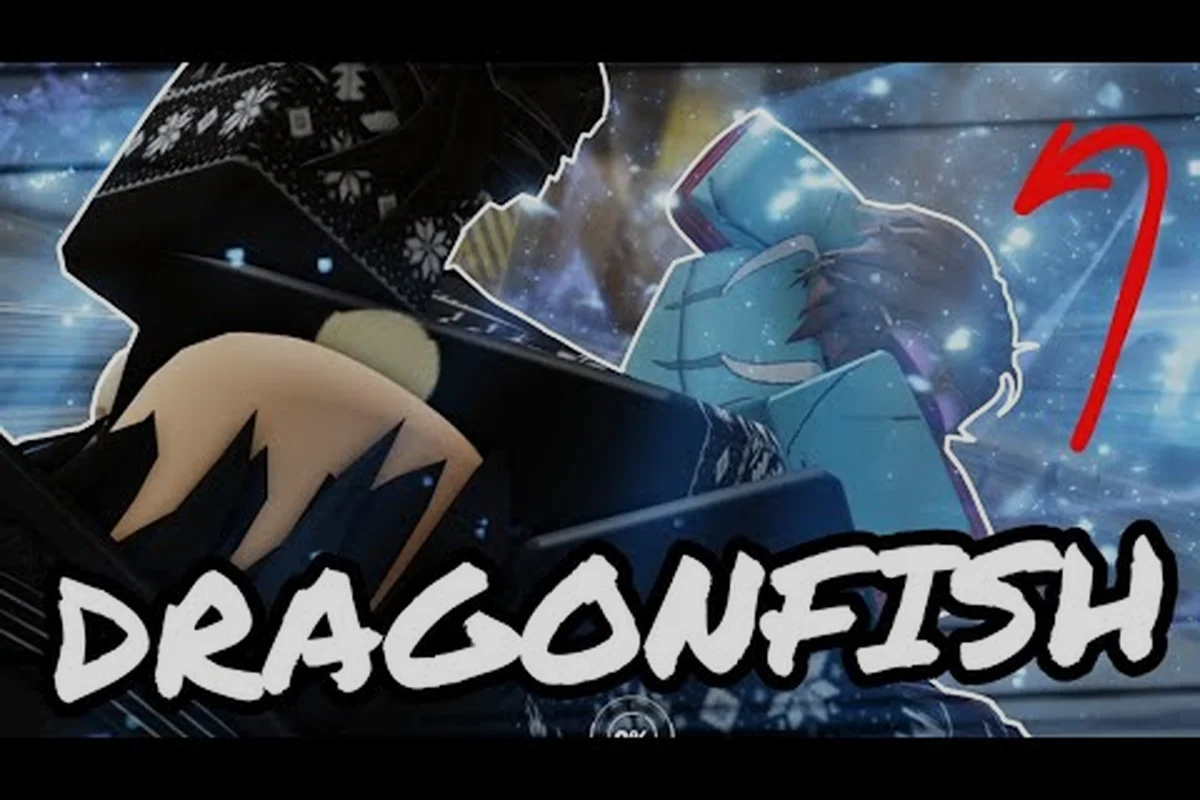
The ubg dragonfish update represents one of the most confusing naming situations in Untitled Boxing Game history, because what players call "Dragonfish" today started as a completely different style called Kimura. Understanding this lineage matters because the style's moveset, rarity tier, and competitive viability all shifted during the March 2026 rework, and the October Street Fighter 6 collaboration has once again reshaped how the community talks about style updates. This article traces the full history from the original Kimura kit through the rename, the moveset rework, and the current SF6 crossover context so you can separate outdated information from what actually applies in the current patch.
The Kimura to Dragonfish Rename and What the March Update Actually Changed
When the untitled boxing game march update dropped, many players logged in expecting a balance patch and instead found that a familiar style had vanished from their loadouts. The style previously known as Kimura had been renamed to Dragonfish, and the change was not purely cosmetic. According to the community wiki entry for the style, the rework arrived in March 2026 and included both the name change and a substantial moveset overhaul that altered how the kit plays in ranked matches.
The rename itself reflects a broader pattern in UBG's update history where developer Drowning Studio adjusts style names to avoid direct anime character references while preserving the underlying archetype. The original Kimura kit drew inspiration from the Hajime no Ippo character of the same name, specifically his Dragonfish Blow technique, which is a body-hook that targets the liver from an unusual angle. By renaming the style to Dragonfish, the developers kept the signature move reference intact while distancing the kit from the character name itself.
What actually changed mechanically in the untitled boxing game march update is more important than the name. Community testing reports indicate that the rework adjusted the style's counter window timing, increased the damage on the signature body blow, and slightly reduced the startup speed on the jab sequence. These changes moved Dragonfish from a niche counter-pick into a more versatile mid-range pressure style, though it remained in the Rare rarity tier rather than being promoted to Mythic or Legendary.
The following table breaks down the key differences between the pre-rework Kimura kit and the post-rework Dragonfish style based on community documentation, with the most consequential change being the counter window extension: an extra two frames may sound negligible on paper, but in UBG's netcode environment it effectively allows a Dragonfish player to buffer the Dragonfish Blow after absorbing a blocked jab without dropping the input, which is why the style's competitive usage climbed from low to moderate in the weeks following the untitled boxing game march update.
| Attribute | Pre-Rework Kimura (Pre-March 2026) | Post-Rework Dragonfish (March 2026+) |
|---|---|---|
| Style Name | Kimura | Dragonfish |
| Rarity Tier | Rare | Rare (unchanged) |
| Signature Move | Dragonfish Blow (body hook) | Dragonfish Blow (buffed damage) |
| Counter Window | Standard | Extended by approximately 2 frames |
| Jab Startup | Fast | Slightly slower |
| Primary Role | Counter-puncher | Mid-range pressure fighter |
| Competitive Usage | Low | Moderate increase |
The rarity tier staying at Rare surprised some players who expected a promotion after the rework, but the developers have historically kept reworked styles in their original tiers unless the kit receives a complete identity shift. The untitled boxing game style rework breakdown covers how other reworked kits have followed this same pattern across multiple patches.
How the Dragonfish Moveset Functions in the Current Patch
Understanding the Dragonfish moveset requires looking at how the Dragonfish Blow interacts with the rest of the kit. The signature move is a lunging body hook that comes out at a deceptive angle, making it difficult for opponents to read whether the strike will land on the liver or curve upward toward the ribs. Players who main the style report that the move works best as a counter-punish tool rather than an opener, because the extended counter window from the March rework rewards reactive play.
The standard combo flow for Dragonfish follows a pattern that experienced players describe as "bait, slip, punish." You throw a light jab to provoke a response, use the style's improved counter window to slip the incoming strike, and then commit to the Dragonfish Blow while the opponent is still in recovery frames. Because the body blow now deals increased damage, a successful counter sequence can swing a round's momentum quickly, especially against aggressive opponents who overcommit to forward pressure.
One of the most significant changes in the untitled boxing game march update was the adjustment to jab startup speed. The slower jab means Dragonfish players can no longer win jab trades against faster styles like Hands Low or Counter, which forces a more patient approach. This trade-off is intentional design: the developers gave the style a stronger punish game while reducing its ability to dictate neutral exchanges, creating a clearer identity as a reactive counter-puncher with burst damage potential.
The following table compares Dragonfish against other Rare-tier styles in the current meta to contextualize where the rework placed it: note that the "Moderate to high" viability rating reflects Dragonfish's matchup-dependent nature — it performs strongly against forward-pressure styles like Smash, whose predictable patterns feed the counter-punish loop, but struggles against Turtle's stamina-efficient defense, which denies the reactive openings Dragonfish needs to access its buffed body blow damage.
| Rare Style | Primary Strength | Key Weakness | Post-Rework Viability |
|---|---|---|---|
| Dragonfish | Counter-punish burst damage | Slow jab startup | Moderate to high |
| Turtle | Defensive stamina efficiency | Low offensive pressure | High |
| Smash | Raw power on single strikes | Predictable patterns | Moderate |
| Basic | Balanced fundamentals | No standout tools | Low to moderate |
The Dragonfish rework did not make the style a top-tier pick, but it did address the core complaint that the old Kimura kit felt like a weaker version of other counter styles. The extended counter window and buffed signature move give the style a distinct niche that rewards players who enjoy reading opponents and punishing mistakes rather than dictating the pace of the fight.
The October Street Fighter 6 Collaboration and Its Impact on Style Updates
The ubg october update street fighter crossover has dominated community discussion since its announcement, and it has indirectly affected how players perceive older style updates like the Dragonfish rework. The collaboration introduced the Ryu Style as a limited-time Legendary pull, and the influx of new players checking out the game has led many to revisit the full style roster, including Rare-tier kits that received earlier reworks.
The timing of the SF6 collab matters because it arrived roughly seven months after the Dragonfish rework, giving the community enough distance to evaluate whether the March changes actually improved the style's competitive standing. Early consensus from ranked players suggests that Dragonfish remains a solid but unspectacular Rare pick, with its counter-punish identity holding up well against the new Ryu Style's aggressive tempo. The Ryu Style moveset and performance data provides detailed frame data that helps explain why Dragonfish's reactive playstyle actually matches up reasonably well against the crossover kit.
What the ubg october update street fighter event also did was reset player expectations around what a "style update" means in UBG. The Dragonfish rework in March was a balance-focused adjustment to an existing kit, while the October collab represents a content addition that expands the roster rather than refining it. Understanding this distinction helps players avoid confusion when reading patch notes or community discussions that reference both types of updates under the same umbrella term.
The following table outlines the key differences between the March rework update and the October collaboration update, which is especially useful for players cross-referencing the untitled boxing game changelog while deciding whether to invest training time in Dragonfish or chase the limited-time Ryu Style. The most consequential distinction is permanence: the March 2026 changes to Dragonfish's counter window and body blow remain active regardless of when a player starts, whereas the SF6 collab's Legendary kit disappears once the event window closes. This difference shapes long-term progression planning, since a Rare-tier style like Dragonfish offers a stable, always-available counter-punish option for ranked play, while the October update rewards players who farm aggressively during the crossover period.
| Update Attribute | March 2026 Dragonfish Rework | October 2026 SF6 Collab |
|---|---|---|
| Update Type | Balance rework of existing style | New content addition |
| Style Affected | Kimura renamed to Dragonfish | Ryu Style added as new kit |
| Rarity Impact | Rare tier unchanged | New Legendary tier entry |
| Moveset Changes | Buffed counter window and body blow | Entirely new moveset |
| Limited Availability | Permanent change | Limited-time event window |
| Community Focus | Competitive balance discussion | Collection and farming discussion |
The untitled boxing game new style update pattern that emerged from these two updates shows a developer willing to pursue both depth and breadth simultaneously. The Dragonfish rework deepened an existing kit's identity, while the SF6 collab broadened the roster with an entirely new archetype. Players who track the untitled boxing game update history can see how this dual approach has characterized the game's 2025-2026 development cycle.
Tracking the Ubg Update Today and Reading the Changelog Correctly
When players search for the ubg update today, they often encounter a mix of official patch notes, community summaries, and outdated information from previous patches. The Dragonfish situation illustrates why reading the untitled boxing game changelog carefully matters: the March 2026 notes listed the rename and rework together, but many players only registered the name change and missed the mechanical adjustments entirely.
The official Roblox page for the game shows a recent update timestamp of October 10, 2026, which corresponds to the SF6 collaboration content drop rather than any Dragonfish-specific changes. This distinction is important because the official Roblox game page serves as the primary source for update timestamps, but it does not provide detailed patch notes for individual style changes. Players need to cross-reference community documentation to understand what actually changed in any given update window.
One common source of confusion in the untitled boxing game changelog is the way reworks are documented. When the developers rework a style, the changelog typically lists the style name, the affected attributes, and the reasoning behind the change, but it does not always provide exact numerical values. Community testers fill in these gaps through frame data analysis and damage testing, which is why the Dragonfish counter window extension is reported as "approximately 2 frames" rather than an official number.
The following table shows how to verify update information across different source types, but understanding why each source diverges matters just as much as the divergence itself: the official changelog reflects developer intent and patch scope, community wikis consolidate frame-by-frame testing across multiple players and game versions, and player testing captures live-server behavior that can drift from patch notes due to hotfixes or undocumented interaction changes. For the Dragonfish rework specifically, the rename appeared in all three source types immediately, but the extended counter window only surfaced in player testing threads after ranked players noticed punishes landing at ranges that previously whiffed, demonstrating how mechanical adjustments without official numerical values rely on community verification to enter the untitled boxing game changelog record.
| Information Type | Official Changelog | Community Wiki | Player Testing |
|---|---|---|---|
| Style Rename | Confirmed | Confirmed | N/A |
| Rarity Tier Changes | Usually stated | Confirmed | N/A |
| Exact Frame Data | Rarely provided | Estimated | Confirmed through testing |
| Damage Values | Sometimes stated | Estimated | Confirmed through testing |
| Update Timestamps | Confirmed | May lag behind | N/A |
| Competitive Impact | Not stated | Community consensus | Confirmed through ranked play |
The ubg update history shows that Drowning Studio tends to release balance changes in clusters rather than as isolated adjustments. The March 2026 window that brought the Dragonfish rework also included other style adjustments, and the October SF6 collab arrived alongside server stability improvements and event infrastructure. Players who want to stay current should check the official page for update timestamps and then consult community documentation for the mechanical details that official notes leave out.
Practical Strategy for Playing Dragonfish After the Rework
If you pulled Dragonfish before the rework and shelved it, the March changes justify giving the style another look. The extended counter window is the single most impactful buff, because it makes the style's reactive playstyle significantly more forgiving. Where the old Kimura kit required near-frame-perfect timing to land effective counters, the post-rework Dragonfish gives you a small buffer that makes the punish game accessible to intermediate players.
The optimal approach with Dragonfish is to play a mid-range baiting game rather than trying to pressure opponents from close range. Your slower jab means you lose most close-range exchanges against faster styles, so you want to maintain enough distance to react to your opponent's approach. When they commit to a forward dash or a telegraphed heavy strike, that is your window to slip and punish with the Dragonfish Blow.
Stamina management is another consideration that changed with the rework. The buffed body blow costs more stamina per use than the pre-rework version, which means you cannot spam the signature move without exhausting yourself. Community testing suggests that the optimal pattern is to land one or two Dragonfish Blows per exchange, then reset to neutral and recover stamina while your opponent processes the damage. This rhythm rewards patience and punishes players who try to force extended offensive sequences.
The following table outlines a practical decision framework for Dragonfish players in ranked matches, distilled from post-rework community testing on the March patch: each row pairs a common ranked scenario with the specific counter-response that the extended counter window now makes reliable. Note that the "Opponent spams jabs" row is the highest-frequency situation in Bronze through Gold lobbies, because fast-jab styles like Ghost and Basic remain the most common picks at those ranks — and the slip-into-body-blow punish converts what used to be a losing matchup into a favorable damage trade of roughly 12–15% per successful counter. The "Stamina below 30%" row is equally critical because the buffed Dragonfish Blow now costs approximately 22% of the full stamina bar per use, meaning two consecutive counters at low stamina will leave you unable to dash out of a follow-up string.
| Situation | Recommended Action | Reasoning |
|---|---|---|
| Opponent spams jabs | Slip and counter with body blow | Extended counter window makes this reliable |
| Opponent plays passive | Use light jabs to bait responses | Slower jab still works as a feint tool |
| Opponent pressures aggressively | Maintain mid-range, punish overcommits | Dragonfish Blow punishes forward movement |
| Stamina below 30% | Reset to neutral, avoid exchanges | Buffed move costs more stamina |
| Opponent uses Ryu Style | Exploit Ryu's aggressive tempo with counters | Reactive playstyle matches up well |
The Dragonfish rework did not transform the style into a meta-defining pick, but it did give the kit a coherent identity that rewards a specific playstyle. Players who enjoy reading opponents and punishing mistakes will find more success with the post-rework version than they did with the old Kimura kit, while players who prefer aggressive pressure should look elsewhere in the Rare tier.
Frequently Asked Questions
What exactly is the ubg dragonfish update?
The ubg dragonfish update refers to the March 2026 rework that renamed the Kimura style to Dragonfish and adjusted its moveset. The update extended the counter window, increased damage on the signature Dragonfish Blow, and slightly slowed the jab startup. The rarity tier remained Rare throughout the change.
Why was Kimura renamed to Dragonfish in the untitled boxing game march update?
The rename reflects a pattern of distancing style names from direct anime character references while preserving the underlying archetype. The original Kimura kit drew inspiration from the Hajime no Ippo character, and the Dragonfish name references the character's signature Dragonfish Blow technique without using the character name itself.
Did the Dragonfish rework change the style's rarity tier?
No, the Dragonfish style remained in the Rare tier after the March 2026 rework. The developers have historically kept reworked styles in their original rarity tiers unless the kit receives a complete identity shift. The rework improved the style's competitive viability without promoting it to Mythic or Legendary status.
How does the October Street Fighter 6 update affect Dragonfish players?
The ubg october update street fighter collab added the Ryu Style as a limited-time Legendary pull but did not directly change Dragonfish. However, the influx of new players and the addition of an aggressive tempo kit have made Dragonfish's reactive counter-punish playstyle more relevant in the current ranked meta.
Where can I find the official untitled boxing game changelog?
The official Roblox game page provides update timestamps but not detailed patch notes for individual style changes. Players typically cross-reference the official page with community documentation and player testing to understand the mechanical details of reworks like the Dragonfish update, since exact frame data and damage values are rarely included in official notes.