
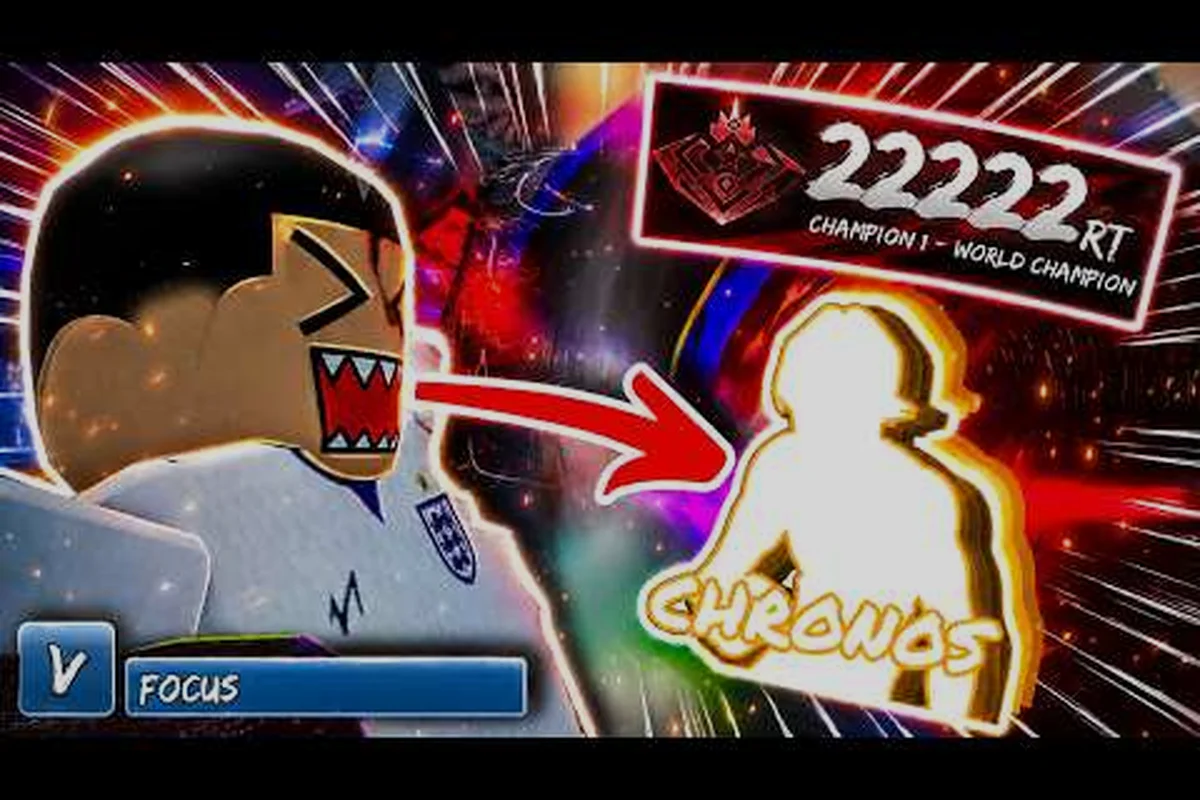
Climbing the Untitled Boxing Game ranked division ladder is the clearest measure of skill progression in the game, yet most players misunderstand how promotion actually works. The division system is not a simple win counter; it is a hidden MMR-based structure that rewards consistency over flashy streaks. Understanding the exact tier boundaries, promotion thresholds, and leaderboard mechanics will save you dozens of frustrating hours grinding in the wrong direction.
How the Untitled Boxing Game Ranked Division Ladder Actually Works
The ranked ladder in Untitled Boxing Game operates on a tiered structure that resets and recalibrates based on your match history, not just your current win rate. Community documentation from the r/untitledboxinggame subreddit confirms that players climb by winning matched fights against opponents near their own standing, which means the system actively tries to pair you with someone who will meaningfully shift your rating. This is why a five-win streak against low-tier opponents often moves you less than a single victory over a higher-ranked challenger.
The core loop is straightforward: queue into ranked, get matched, fight, and watch your division adjust. However, the underlying math is less forgiving. Each division has an invisible point range, and you need to cross the upper boundary to trigger a promotion match or automatic advancement. Losing drops you toward the lower boundary, and dropping below it sends you back a tier. The system tracks your recent performance more heavily than your lifetime record, which means a bad week can erase a month of slow climbing.
| Division | Typical Win Threshold | Promotion Behavior | Demotion Risk |
|---|---|---|---|
| Bronze | 0-5 wins | Automatic on 5th win | None at entry |
| Silver | 6-15 wins | Promotion match at 15 | Low |
| Gold | 16-30 wins | Promotion match at 30 | Moderate |
| Diamond | 31-50 wins | Strict MMR gate | High |
| Champion | 51+ wins | Top percentile only | Very high |
The table above reflects community-reported thresholds as of October 2026, and actual numbers may shift slightly with each patch. What matters more than the raw win count is the quality of your opponents, because the system weighs expected outcomes heavily. Beating someone the matchmaker expected you to lose to generates a much larger rating swing than farming wins against weaker players.
UBG Ranked Tiers: Bronze to Champion Breakdown
Each UBG ranked tier represents a distinct skill band, and the gap between tiers widens as you climb. Bronze and Silver are learning environments where basic fundamentals like blocking, dash timing, and style knowledge carry you through. Gold is where the real ranked division grind begins, because opponents start punishing predictable patterns and exploiting style matchups. Diamond is the filter that separates casual climbers from dedicated players, and Champion is a percentile-based ceiling that only a small fraction of the active player base ever touches.
The jump from Diamond to Champion is not a fixed win threshold. Community reports indicate that Champion placement requires you to sit inside the top few percent of active ranked players, which means the bar moves as the player base grows or shrinks. This is why some players hit Champion at 51 wins while others need 70 or more; the system is comparing you to everyone else, not to an absolute number.
| Tier | Skill Focus | Common Wall | Time Investment |
|---|---|---|---|
| Bronze | Basic controls, style familiarity | Button mashing habits | 1-3 hours |
| Silver | Blocking, dash discipline | Over-aggression | 3-8 hours |
| Gold | Style matchups, stamina management | Predictable offense | 8-20 hours |
| Diamond | Feints, counter timing, adaptation | Tilt and burnout | 20-50 hours |
| Champion | Meta knowledge, mental stamina | Inconsistent play | 50+ hours |
The time estimates are rough averages based on community data and assume you are actively learning rather than repeating the same mistakes. Players who review their losses and adjust their approach climb significantly faster than those who queue endlessly without reflection. The ranked division system rewards deliberate practice, which is why the ranked mode overview is worth studying before you commit to a long grind.
UBG Champion Rank: What It Takes to Reach the Top
UBG Champion rank is the destination most players claim to want but few are willing to earn. The climb from Diamond into Champion is where the system stops forgiving mistakes, because every loss against a lower-ranked opponent costs you more than a loss against an equal. This is the tier where style selection starts to matter as much as execution, and where the meta shifts from "play what you enjoy" to "play what wins."
Champion players consistently demonstrate three traits that separate them from Diamond regulars. First, they manage stamina like a resource rather than a cooldown, rarely finding themselves exhausted at the wrong moment. Second, they adapt mid-match, switching from aggressive pressure to defensive counterplay when the opponent adjusts. Third, they understand the full style roster, including the recent Street Fighter 6 collaboration additions, which means they never face an unfamiliar matchup. The tier list breakdown maps which styles currently dominate at this level.
The Mental Game at Champion Level
Reaching Champion requires more than mechanical skill; it demands emotional regulation. Players who tilt after a single loss tend to spiral, because the ranked division system punishes streaks of poor decisions more harshly at higher tiers. Community reports consistently describe Champion climbers as players who take breaks after two consecutive losses, review their replays mentally, and return with a clear plan. This discipline is not optional at the top of the ladder.
The reward for reaching Champion is not just a title. It is access to the most competitive matchmaking pool, where every fight teaches you something about the game's deeper systems. Many Champion players report that the climb itself was more valuable than the rank, because the skills they built along the way transferred to every other mode in the game.
Untitled Boxing Game Leaderboard Mechanics and Top Player Tracking
The Untitled Boxing Game leaderboard is the public face of the ranked division system, and it updates on a rolling basis rather than a fixed weekly reset. Your position is determined by your current MMR, not your peak, which means inactive players slowly drift down as active climbers pass them. This creates a natural incentive to keep playing, but it also means the leaderboard is a snapshot of current form rather than lifetime achievement.
Top players on the leaderboard tend to cluster around specific styles and strategies, and tracking their movement reveals meta shifts before they become obvious. When a new style drops, the top of the leaderboard shifts within days as skilled players test and adopt it. The Street Fighter 6 collaboration introduced the Ryu style, and within the first week, community observers noted a visible uptick in Ryu representation among high-Diamond and Champion players.
| Leaderboard Metric | What It Tracks | Why It Matters |
|---|---|---|
| Current MMR | Live rating | Determines division and matchmaking |
| Peak MMR | Highest rating reached | Shows ceiling, not current form |
| Win Streak | Consecutive wins | Signals momentum and confidence |
| Recent Win Rate | Last 20 matches | Better predictor than lifetime rate |
| Total Ranked Matches | Lifetime volume | Separates veterans from new climbers |
The leaderboard does not publicly display your exact MMR, but players have reverse-engineered approximate ranges by tracking promotion and demotion points. This community data is imperfect, yet it provides a useful framework for understanding where you stand relative to the field. The ranked rewards guide explains what you actually earn at each milestone, which helps you decide whether the grind is worth it.
Untitled Boxing Game Event Schedule and Ranked Synergy
The Untitled Boxing Game event schedule intersects with ranked play in ways that casual players often overlook. Limited-time events frequently introduce temporary styles, modifiers, or reward tracks that can accelerate your ranked climb if you engage with them strategically. For example, a takeover event might offer bonus cash or spins that let you unlock a stronger style faster, which then feeds directly into your ranked performance.
Events also create windows where the ranked player base swells, because new and returning players queue up to try the fresh content. This influx can temporarily soften the matchmaking pool, making it easier to secure wins during the first few days of a major event. Savvy climbers time their ranked pushes around these windows, knowing that a larger, less experienced pool translates to more favorable matchups.
Timing Your Ranked Push Around Events
The optimal approach is to treat events as preparation phases rather than distractions. Use event rewards to upgrade your style slots, stockpile spins for better kits, and practice new mechanics in casual mode before taking them into ranked. When the event ends and the player base normalizes, you enter the ranked division ladder with a stronger toolkit and sharper fundamentals. This sequencing turns the event schedule into a climbing advantage rather than a competing priority.
Players who ignore the event schedule often find themselves outpaced by those who leverage it, because the rewards compound. A single event that grants enough cash to unlock an extra style slot can be the difference between a hardstuck Gold player and someone who finally breaks into Diamond. The style slot guide covers the exact costs and unlock paths, which is essential reading before you commit your event earnings.
Practical Climbing Strategy for Every Division
A concrete climbing plan beats vague advice, so here is a division-by-division approach that reflects how top players actually progress. The key is to focus on one skill per tier rather than trying to fix everything at once, because the ranked division system rewards incremental improvement over scattered effort.
-
Bronze to Silver: Learn your style's core combo and practice blocking on reaction. Most Bronze players throw unsafe attacks constantly, so a patient counterpuncher climbs fast.
-
Silver to Gold: Master dash management and stop wasting stamina on unnecessary movement. Silver players tend to dash constantly, leaving themselves vulnerable when they need to escape.
-
Gold to Diamond: Study style matchups and learn when to switch between aggressive and defensive stances. Gold is where matchup knowledge starts to outweigh raw execution.
-
Diamond to Champion: Refine your mental game, take breaks after losses, and track the leaderboard to understand which styles are winning at the top. Diamond is a test of consistency, not peak skill.
Each of these transitions requires a different focus, and skipping ahead rarely works. Players who try to learn Champion-level meta while stuck in Silver usually confuse themselves, because the lessons do not apply at their current matchmaking level. Trust the progression and let each tier teach you what it is designed to teach.
Frequently Asked Questions
How many wins do I need to reach Champion in Untitled Boxing Game?
Champion placement is percentile-based rather than a fixed win count, so the required wins fluctuate with the active player base. Community data suggests most players need 51 or more wins, but the real gate is your MMR relative to the top few percent of ranked players.
Does the Untitled Boxing Game leaderboard reset every season?
The leaderboard updates on a rolling basis tied to your current MMR, not a fixed weekly or monthly reset. Inactive players drift down as active climbers pass them, which means your position reflects current form rather than a snapshot from a specific reset date.
What is the fastest way to climb the UBG ranked tiers?
Focus on one skill per division rather than trying to improve everything at once. Bronze and Silver reward fundamentals like blocking and stamina discipline, while Gold and Diamond demand matchup knowledge and mental consistency. Deliberate practice beats endless queueing.
Do event rewards help with ranked climbing?
Yes, because event rewards often grant cash, spins, or temporary styles that strengthen your toolkit before you enter ranked. Timing your ranked push around event windows can also soften the matchmaking pool, since a larger player base includes more inexperienced opponents.
Can I drop out of Champion rank once I reach it?
Yes, demotion risk at Champion is very high because the system continuously compares your MMR to other top players. A losing streak against lower-ranked opponents can drop you back to Diamond, which is why Champion players emphasize consistency and tilt management above all else.